
EV Charging in Cold Weather: The Complete Winter Guide for 2026
If you live somewhere that gets genuinely cold — not California "cold" but Minnesota, Michigan, or northern Canada cold — you have probably noticed that your EV does not charge as fast or drive as far in winter. You are not imagining it. Cold weather has a measurable, significant impact on both charging speed and driving range.
The good news: the impact is manageable once you understand what is happening and how to work around it. In this guide, we cover exactly how cold temperatures affect EV charging, provide real data on charging speed loss and winter range reduction, and share practical tips that will keep you moving all winter long.
Whether you drive a Tesla, Chevy, Ford, Hyundai, or any other EV, the physics of lithium-ion batteries in cold weather is the same — and so are the solutions.
Prices, availability, and program terms are subject to change. Last verified: March 15, 2026. We strive for accuracy but recommend verifying details before purchase.
How Cold Weather Affects EV Charging
To understand why your EV charges slower in winter, you need to understand a little about lithium-ion battery chemistry. The same principles apply whether you are charging at home on a Level 2 charger or at a DC fast charging station.
The Chemistry Problem
Lithium-ion batteries work by moving lithium ions between the anode and cathode through a liquid electrolyte. In cold temperatures, three things happen that slow this process down:
- Electrolyte viscosity increases. The liquid electrolyte becomes thicker and more resistant to ion flow, much like honey becomes thicker when refrigerated. This increases the battery's internal resistance.
- Chemical reaction rates decrease. The electrochemical reactions that store and release energy slow down at lower temperatures. This is a fundamental property of chemistry — reaction rates drop as temperature falls.
- Lithium plating risk increases. When you try to charge a very cold lithium-ion battery too quickly, lithium metal can deposit on the anode surface instead of intercalating properly. This is called lithium plating, and it permanently damages the battery. To prevent this, the battery management system (BMS) automatically limits charging speed when the battery is cold.
What This Means in Practice
When your EV's battery is cold, the BMS restricts both charging and discharging rates to protect the cells. You will notice:
- Slower home charging: A Level 2 charger that normally delivers 30–44 miles of range per hour may only deliver 20–35 miles per hour when the battery is cold. The charger itself is not the bottleneck — the car's BMS is limiting how much power the battery will accept.
- Much slower DC fast charging: Fast charging is affected more dramatically. A Supercharger session that adds 200 miles in 15 minutes at 70°F might take 30–45 minutes at 0°F. This is where preconditioning becomes critical.
- Reduced regenerative braking: Cold batteries cannot absorb energy as quickly, so regenerative braking is limited or disabled entirely when you first start driving. This means more reliance on friction brakes and less energy recovery.
- Cabin heating draws from the battery: Unlike gas cars that use waste engine heat, EVs must use battery power for cabin heating. Heat pumps (now standard in most EVs) are more efficient than resistive heaters, but they still consume 1–3 kW of continuous power in very cold weather.
According to a comprehensive AAA study on EV winter performance, electric vehicles lose an average of 41% of their rated range when the temperature drops to 20°F and the cabin heater is running. Without cabin heating, the loss is still around 12% due to battery chemistry alone.
Charging Speed Loss by Temperature
How much charging speed do you actually lose in cold weather? The answer depends on the temperature, whether the battery has been preconditioned, and whether you are using Level 2 or DC fast charging. Here is a data-driven breakdown.
| Ambient Temperature | Battery Temp (no preconditioning) | Level 2 Charging Efficiency | DC Fast Charging Efficiency | Notes |
|---|---|---|---|---|
| 70°F (21°C) | Optimal | 100% | 100% | Baseline — optimal conditions |
| 50°F (10°C) | Slightly cool | 95–100% | 90–95% | Minimal impact, barely noticeable |
| 32°F (0°C) | Cold | 85–92% | 70–80% | Noticeable slowdown on DC fast charging |
| 20°F (-7°C) | Very cold | 78–88% | 55–70% | BMS actively limiting charge rate |
| 0°F (-18°C) | Extreme cold | 70–82% | 40–55% | Significant restriction; preconditioning essential |
| -20°F (-29°C) | Extreme cold | 60–75% | 25–40% | Severe limitation; garage parking strongly recommended |
Key Observations
Level 2 charging is less affected than DC fast charging. Because Level 2 charges at a much lower rate (7–11 kW vs. 50–250 kW), the battery can accept the power more easily even when cold. The BMS does not need to restrict Level 2 as aggressively. This is one reason why home charging in winter is still very practical — even at reduced efficiency, an overnight Level 2 session easily replenishes a full day's driving.
DC fast charging takes the biggest hit. The high power levels of fast charging are exactly what causes lithium plating risk, so the BMS clamps down hard on cold batteries. At -20°F, you may see your Supercharger or CCS station delivering only 25–40% of its rated speed until the battery warms up during the charging session itself.
The battery warms up during charging. Even without active preconditioning, the act of charging generates heat within the battery pack. During a long Level 2 session, the battery temperature gradually rises, and charging efficiency improves over the course of the session. This is why your first hour of winter charging may be slower than the third hour.
Garage parking makes a massive difference. An unheated garage typically stays 10–20°F warmer than outside air temperature. This alone can shift you from the "severe restriction" zone to the "moderate impact" zone. If you have access to a garage, always park and charge there during winter months.
Preconditioning: Your Secret Weapon
Battery preconditioning is the single most effective strategy for maintaining charging speed and driving range in cold weather. Understanding and using it properly can recover much of the performance you would otherwise lose.
What Is Preconditioning?
Preconditioning is the process of warming the battery pack to its optimal operating temperature (typically 60–80°F / 15–27°C) before you start driving or before you arrive at a fast charger. Most modern EVs have built-in preconditioning systems that use either the battery's own thermal management system or resistive heating elements to warm the pack.
How to Precondition at Home
The best way to precondition is through your car's Scheduled Departure feature (Tesla, BMW, VW) or Departure Time setting (Hyundai, Kia). When set, the car will:
- Begin warming the battery 30–60 minutes before your scheduled departure time
- Warm the cabin to your preferred temperature
- Use wall power to do all of this — meaning your battery charge level is preserved or even increased during preconditioning
This is crucial: preconditioning while plugged in is essentially free. The energy comes from the grid, not your battery. If you precondition after unplugging, the car must drain the battery to generate heat, which defeats the purpose.
Preconditioning for DC Fast Charging
If you are planning to use a DC fast charger, most EVs will automatically precondition the battery when you navigate to a fast charger using the car's built-in navigation. Tesla does this automatically when you route to a Supercharger, and many other brands (Ford, Hyundai, BMW, Rivian) have implemented similar features.
The car runs the battery heating system during your drive so that by the time you arrive at the charger, the battery is warm enough to accept high power levels. This can dramatically reduce fast charging times — sometimes cutting session length in half compared to arriving with a cold battery.
Preconditioning Tips for Maximum Effectiveness
- Always keep your car plugged in overnight during winter. Even if it is fully charged, the thermal management system can use wall power to keep the battery warm.
- Set Scheduled Departure, not Scheduled Charging. Scheduled Charging just delays when charging starts. Scheduled Departure intelligently manages both charging completion and preconditioning to have your car ready at the right time.
- Give it enough time. In extreme cold (-10°F or lower), preconditioning can take 30–45 minutes. Set your departure time with this buffer in mind.
- Use the app to start preconditioning manually if your schedule is unpredictable. Most EV apps let you remotely start cabin and battery conditioning 15–30 minutes before you walk to the car.
Winter Charging Best Practices
Beyond preconditioning, there are several strategies that will keep your EV running smoothly all winter. Here are six proven best practices from EV owners in the coldest climates.
1. Charge More Frequently, Not Fuller
In winter, it is better to plug in every night and keep your battery between 40% and 80% rather than letting it drop low and then charging to 100%. Cold batteries lose charge faster when at very low states of charge, and the BMS is more restrictive at the extremes (below 20% or above 90%). Frequent, moderate charging sessions are gentler on the battery and more efficient in cold weather.
2. Park and Charge in a Garage Whenever Possible
An enclosed garage — even an unheated one — provides significant thermal protection. The temperature inside an attached garage is typically 10–20°F warmer than outside. This means the difference between a 75% efficient charging session and an 85% efficient one. If you have a detached garage, consider a small space heater on a timer for the coldest nights (ensure fire safety and never leave unattended).
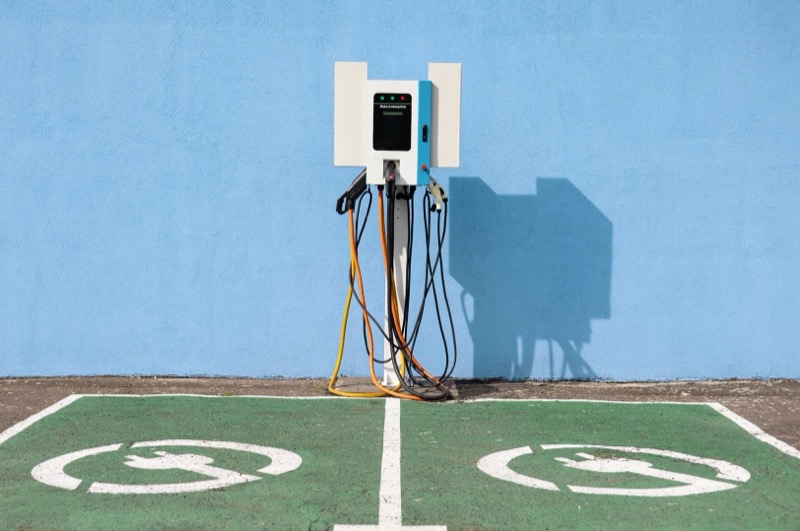
3. Insulate and Protect Your Charging Equipment
If your charger is mounted outdoors, make sure it is rated for your climate. Check the operating temperature range in the specifications. Most quality Level 2 chargers operate down to -22°F to -30°F, but the charging cable itself becomes stiff and difficult to handle in extreme cold. Store the cable coiled loosely — tight coils in freezing temperatures can damage the insulation over time.
4. Use Seat Heaters Instead of Cabin Heat
This tip is about preserving range rather than charging, but it is too important to omit. Heated seats and a heated steering wheel use 75–80% less energy than blasting the cabin heater. In moderate cold (20–35°F), you can comfortably drive with seat heat on level 2–3, the steering wheel warmer on, and the cabin heater set to a lower temperature (65°F instead of 72°F). This alone can recover 10–15% of your winter range.
5. Monitor Your Battery State of Health
Cold weather temporarily reduces displayed range, but it should recover fully when temperatures rise. If you notice that your summer range is lower than last year by more than 3–5%, it may indicate actual battery degradation rather than a temperature effect. Apps like TeslaFi (for Tesla) or LeafSpy (for Nissan) can track long-term battery health trends.
6. Plan Winter Road Trips with Extra Buffer
On winter road trips, plan your charging stops more conservatively. Use our EV Charging Time Calculator to estimate adjusted charging times, and aim to arrive at each charger with at least 15–20% battery remaining rather than the 10% you might risk in summer. Cold-weather range estimates on the dashboard are often optimistic because they do not fully account for headwinds, snow tires, and heating load.
Also consider that fast chargers in remote areas may be occupied or out of service. Having a portable Level 2 charger as a backup gives you the flexibility to charge from any 240V outlet — campgrounds, RV parks, and agricultural outlets can be lifesavers on winter road trips.
Best EV Chargers for Cold Climates
Not all EV chargers are built to handle extreme cold. If you live in a region that regularly sees temperatures below 0°F, you need a charger that is specifically rated for those conditions. Here is what to look for and which models we recommend.
What to Look For
- NEMA 4 or NEMA 4X enclosure rating: NEMA 4 means the unit is sealed against windblown dust, rain, sleet, snow, ice, and hose-directed water. NEMA 4X adds corrosion resistance (important in areas that use road salt). The Tesla Wall Connector is only NEMA 3R, which covers rain and ice but not windblown snow or dust.
- Operating temperature range down to -30°F or lower: Check the spec sheet, not just the marketing claims. Some chargers list "storage temperature" ranges that are wider than their "operating temperature" ranges.
- Durable, cold-rated charging cable: Cheap cables become brittle and stiff in extreme cold. Look for chargers with thick, pliable cables that specify cold-weather performance.
- Solid-state components: Some chargers use electrolytic capacitors that can fail in extreme cold. Higher-quality units use solid-state or ceramic capacitors rated for wider temperature ranges.
Top Pick: Grizzl-E Classic — $300
The Grizzl-E Classic is designed and tested in Canada, and it shows. With a NEMA 4 enclosure, an operating temperature range of -30°F to 122°F, and a thick, flexible cable that stays pliable even in deep cold, it is the gold standard for cold-climate EV charging.
The Grizzl-E delivers 40 amps (9.6 kW) and is built like a tank — its aluminum enclosure can take a beating from the elements for years. It is a no-frills charger with no app or Wi-Fi (the "Classic" model), which some owners actually prefer because there is less to go wrong. It just works, reliably, in the worst conditions.
At $300, it is also very competitively priced. For extreme cold environments, this is our number one recommendation.
Smart Alternative: ChargePoint Home Flex — $639
If you want smart features along with cold-weather durability, the ChargePoint Home Flex is the premium choice. It has a NEMA 3R rating (adequate for most cold climates when mounted under some cover), an operating range down to -22°F, and the most flexible amperage adjustment on the market (16A to 50A).
The ChargePoint app is mature and feature-rich, with energy tracking, scheduling, and reminders. The Home Flex also integrates with Amazon Alexa and Google Home for voice control — handy when you want to start or stop charging without going to the garage.
For a full comparison of these and other chargers, see our best cheap Level 2 EV chargers roundup.
Real-World Winter Range Loss by Model
One of the most common questions from prospective EV buyers in cold climates is: "How much range will I actually lose in winter?" Manufacturers' rated ranges (EPA estimates) are tested at around 72°F — real-world winter performance is often significantly different.
Based on aggregated owner data from sources including the AAA cold-weather EV study, Recurrent Auto's winter range database, and community forums, here are realistic winter range estimates for popular EVs.
| EV Model | EPA Rated Range | Real Range at 20°F (-7°C) | Percentage Lost | Real Range at 0°F (-18°C) | Percentage Lost |
|---|---|---|---|---|---|
| Tesla Model 3 LR | 358 mi | 230–250 mi | 30–36% | 195–215 mi | 40–46% |
| Tesla Model Y LR | 330 mi | 210–235 mi | 29–36% | 180–200 mi | 39–45% |
| Tesla Model S | 405 mi | 265–290 mi | 28–35% | 225–250 mi | 38–44% |
| Chevy Equinox EV | 319 mi | 200–225 mi | 29–37% | 170–195 mi | 39–47% |
| Ford Mustang Mach-E | 312 mi | 195–220 mi | 29–37% | 165–190 mi | 39–47% |
| Hyundai Ioniq 6 LR | 361 mi | 235–260 mi | 28–35% | 200–225 mi | 38–45% |
| Kia EV6 LR | 310 mi | 195–220 mi | 29–37% | 165–190 mi | 39–47% |
| Rivian R1S | 321 mi | 200–230 mi | 28–38% | 170–200 mi | 38–47% |
Important Context for These Numbers
Cabin heating is the biggest variable. The ranges above assume normal cabin heating use (68–72°F set temperature). If you rely primarily on heated seats and steering wheel with minimal cabin heat, you can recover 8–12% of the lost range. Conversely, blasting heat at 76°F+ in a cold-soaked car will push losses toward the higher end of the range.
Short trips are hit hardest. The range loss percentages above are worst on short trips (under 10 miles) because the car spends a disproportionate amount of energy heating the cabin and battery from a cold start. On longer highway drives, the battery warms up and efficiency improves over the course of the trip.
Snow tires add rolling resistance. Winter/snow tires are softer and have deeper tread patterns, increasing rolling resistance by approximately 3–5%. This is a small but real contributor to winter range loss that many overlook.
Year-over-year improvement. Heat pump technology and battery thermal management have improved dramatically in recent model years. A 2026 model-year EV generally loses 3–5% less range in cold weather compared to an equivalent 2022 model, thanks to more efficient heat pumps and better battery insulation.
For a deeper understanding of how these range differences affect your daily charging needs and fuel cost savings over gas vehicles, use our EV vs Gas Savings Calculator. Even with winter range loss, EVs remain significantly cheaper to operate than gas vehicles in all climates — the Department of Energy estimates EV owners save $800–$1,200 per year on fuel in cold-weather states.
Recommended Products
As an Amazon Associate, we earn from qualifying purchases at no extra cost to you. Learn more
Grizzl-E Classic
Built and tested in Canada with a NEMA 4 enclosure rated to -30°F. The ultimate cold-climate EV charger.
ChargePoint Home Flex
Smart, flexible, and durable with adjustable amperage from 16A to 50A. Premium choice for winter-ready home charging.
Related Articles & Tools
Frequently Asked Questions
How much slower is EV charging in cold weather?
Can extreme cold damage my EV battery?
Should I keep my EV plugged in during winter even when fully charged?
How much range do EVs lose in winter?
What is the best EV charger for cold climates?
Does charging in a garage help in winter?
Should I use Level 1 or Level 2 charging in winter?
How does cold weather affect DC fast charging?
CheapEVCharger Editorial Team
Independent EV charging editorial team. We compare home chargers based on manufacturer specifications, verified Amazon customer reviews, and real-time pricing data — never influenced by manufacturers.
Data sources: Product specifications from manufacturer websites, pricing and customer reviews from Amazon.com and Amazon.de, installation costs from industry reports, electricity rates from U.S. EIA and DOE.
Enjoyed this article?
Practical EV home-charging tips, honest charger picks, and NACS-transition updates — straight to your inbox.
No spam. Unsubscribe anytime.